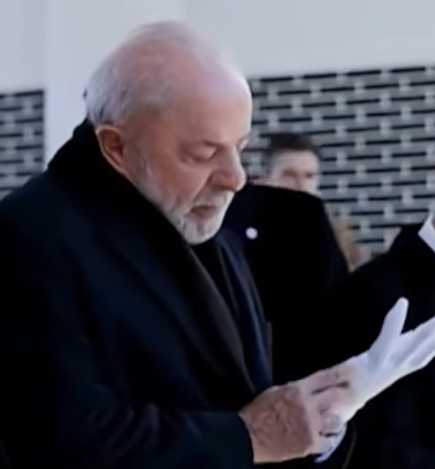
60년 전 잃어버린 새끼손가락을 기억해 준 나라. 브라질 룰라 대통령이 서울 현충원 참배 중 맞춤형 장갑을 받고 감동한 실화 에세이입니다.
세계를 매료시킨 K문화와 그 이면에 숨겨진 한국의 섬세한 배려를 극찬한 이 특별한 이야기를 확인해 보세요.
“세상이 잊은 내 상처를 안아준 나라”
상파울루의 공장에서 서울 현충원까지: 한국이 나의 가장 깊은 상처를 따뜻하게 어루만져 준 날.
새끼손가락 없는 장갑: 세상이 잊었던 것을 한국은 어떻게 기억했는가
서울의 공기는 상파울루와는 전혀 달랐다. 차가운 바람이 뺨을 스치는 순간, 나는 이 낯선 땅의 온도를 온몸으로 느꼈다. 국립서울현충원으로 향하는 차 안에서 나는 창밖을 응시했다. 깔끔하게 정비된 도로, 조용하면서도 질서 정연한 거리, 그리고 시선이 닿는 곳마다 나란히 펄럭이는 브라질과 한국의 국기들. 한국을 마지막으로 방문한 지 21년이 지났을 때였다.
브라질에서 한국은 이미 거대한 이름이었다. 삼성, 현대, LG — 브라질 사람이라면 누구나 아는 이름들이다. 상파울루 거리를 달리는 자동차의 상당수가 한국산이며, 브라질 젊은이들의 손에 들린 스마트폰도 한국 기업이 만든 것이다. 한국은 전 세계 반도체 시장을 지배하고 있으며 조선업에서는 타의 추종을 불허한다. 인구 5천만의 국가가 인구 2억의 국가보다 1인당 국민소득에서 3배 이상 앞서고 있다.
하지만 한국의 진정한 경이로움은 단지 경제에만 있는 것이 아니었다. 한국은 문화를 통해 세계를 정복하고 있었다. 상파울루의 리베르다지 광장에 가면 K팝에 매료된 브라질 젊은이들을 쉽게 볼 수 있다. 방탄소년단(BTS)과 블랙핑크의 이름을 모르는 브라질 10대는 거의 없을 정도다. 넷플릭스를 켜면 한국 드라마가 추천 목록의 맨 꼭대기에 자리 잡고 있다. 봉준호 감독의 영화들은 브라질 영화관에서 상영되었다. 한국은 더 이상 단순한 “아시아의 경제 강국”이 아니었다. 세계가 따르고 싶어 하는 문화의 중심지가 되어 있었다. 그 증거는 바로 내 곁에 있었다. 호잔젤라. 아내는 이번 여행 전부터 이미 K팝에 푹 빠져 있었다. 그녀야말로 나이와 국경, 언어를 초월하는 매력, 즉 한국 문화의 힘을 보여주는 가장 생생한 증거였다. 그것이 한국이었다.
호잔젤라는 특히 전원 외국인 멤버로 구성된 K팝 걸그룹 ‘블랙스완’에 큰 관심을 가지고 있었다. 그중에는 브라질 멤버인 ‘가비’가 있었다. 산타카타리나주 출신의 24살 소녀가 지구 반대편에서 가수가 되기 위해 4,000대 1의 경쟁률을 뚫은 것이다. 생각해 보면 참으로 놀라운 일이다. 왜 브라질 소녀가 한국에 갔을까? 미국도, 영국도, 프랑스도 아닌 한국에 말이다. 그것은 이 나라의 문화적 중력이 그만큼 강력하다는 것을 의미했다. 전 세계의 젊은이들이 조국을 떠나 한국에서 꿈을 이루고 싶어 했다. 그 사실 하나만으로도 세계 속 한국의 위상을 충분히 말해주고 있었다.
나는 차에 앉아 생각에 잠겼다. 반도체, 자동차, 그리고 K팝. 그것이 내가 아는 한국이었다. 경제적으로 강대하고 문화적으로 세계를 매료시키는 나라. 하지만 서울에 도착한 순간부터, 나는 내가 한국에 대해 아무것도 모르고 있었다는 것을 깨닫기 시작했다.
국립서울현충원에 발을 들이는 순간, 공기가 달라졌다. 엄숙하고 고요한 기운이 모든 것을 감쌌다. 이 나라를 위해 목숨을 바친 이들이 잠들어 있는 곳. 어느 나라에서든 이런 장소는 특별한 무게를 지닌다. 국경과 언어를 초월하는, 희생에 대한 경외감이다. 나는 경건한 마음을 가득 품고 현충탑을 향해 걸어갔다. 브라질의 열대 기후에 익숙한 사람에게 서울의 기온은 매서웠지만, 그 추위 속에서도 현충원의 질서 정연한 고요함은 묘한 따뜻함을 품고 있었다.
참배를 하기 전, 의전관이 내게 하얀 장갑 한 켤레를 건넸다. 나는 먼저 오른쪽 장갑을 꼈다. 부드러운 천이 내 손을 감쌌다. 그리고 왼쪽 장갑을 집어 들었다. 그 순간, 나는 멈칫했다. 왼쪽 장갑에는 새끼손가락이 없었다.
나는 그 장갑을 한참 동안 응시했다. 새끼손가락이 없는 하얀 장갑. 오직 네 손가락을 위해 맞춤 제작된, 세상에 단 하나뿐인 장갑이었다.
1964년이었다. 나는 19살이었고, 상파울루 인근의 자동차 부품 공장에서 프레스 기계 조작원으로 일하고 있었다. 아버지는 내가 어릴 때 가족을 떠났고, 나는 일곱 살 때부터 생계를 돕기 위해 땅콩을 팔았다. 열네 살에 공장에 들어갔을 때, 나는 내 인생이 그게 전부일 거라고 생각했다. 그러던 어느 날, 프레스 기계가 내 왼쪽 새끼손가락을 삼켜버렸다. 피가 쏟아졌고, 고통이 나를 덮쳤다. 공장장은 단 한마디의 사과도 하지 않았다. 병원비도, 보상도, 그 어떤 책임도 없었다. 그날 이후로, 내 왼손에는 영원히 네 개의 손가락만 남게 되었다.
그 사고는 내 인생의 전환점이었다. 노동자의 손가락이 기계에 잘려나가도 아무도 책임지지 않는 세상. 나는 그 부조리에 분노했고, 그 분노는 나를 노동 운동으로, 그리고 정치로 이끌었다. 잃어버린 손가락은 내 삶의 궤적을 바꾼 상처이자, 내가 왜 싸워야만 하는지를 평생토록 일깨워주는 상징이었다.
60년이 흘렀다. 그동안 나는 노조 위원장이 되었고, 대통령이 되었으며, 감옥에 갔다가, 다시 대통령이 되었다. 나는 수많은 나라를 방문했다. G7 정상들과 악수를 나누었고, 유엔 총회에서 연설했으며, 화려한 궁전에서 만찬을 즐겼다.
하지만 단 한 번도, 단 한 나라도 내 왼손에 없는 새끼손가락을 기억해 준 적은 없었다. 장갑을 낄 때면 늘 다섯 번째 손가락 부분이 헐렁하게 늘어졌다. 60년 동안 늘 그랬다. 악수를 할 때도, 연단을 잡을 때도, 문서에 서명할 때도, 내 왼손의 빈 공간은 항상 그 자리에 있었고 나는 그것에 익숙해져 있었다. 불편했지만, 불편함에 익숙해지는 것 또한 그저 삶의 일부라고 믿게 되었다.
그런데 이 나라, 한국이라는 나라는 그 60년 된 빈 공간을 기억해 준 것이다.
나는 호잔젤라를 돌아보았다. “여보, 이것 좀 봐요.” 나는 왼쪽 장갑을 들어 그녀에게 보여주었다. 그녀의 두 눈이 커졌다. 그녀 역시 그것을 보았다. 새끼손가락이 없는 장갑. 우리는 함께 웃었다. 하지만 그 웃음 뒤에는 60년 전 상파울루 공장의 기억 — 피와 고통, 그리고 분노의 기억 — 과 그 모든 것을 이겨내고 이 순간에 이르기까지 나를 이끌어온 긴 여정의 무게가 담겨 있었다.
나는 장갑을 꼈다. 천이 내 왼손에 닿았다. 그것은 내 네 개의 손가락을 하나하나 감쌌다. 헐렁하게 늘어지는 다섯 번째 손가락 없이, 나를 완벽하게 감싸 안는 네 개의 공간. 내 생애 처음으로 왼손에 꼭 맞는 장갑을 낀 것이다.
그 순간, 나는 깨달았다. 그리고 동시에 지난 이틀간의 모든 일들이 밀려왔다. 그들은 호잔젤라가 K팝을 좋아한다는 사실을 미리 알고, 우리가 도착하기도 전에 조용히 가비와의 만남을 주선해 두었다. 영부인이 입은 한복에는 브라질 국기의 색상인 초록색, 파란색, 노란색이 짜여 있었다. 우리 호텔 방에는 브라질 커피가 놓여 있었고, 일정표는 포르투갈어로 번역되어 있었다. 내가 축구를 사랑한다는 것을 알고는 국가대표팀 유니폼을 준비해 주었다. 이 모든 제스처 하나하나가 저 장갑과 같은 마음에서 우러나온 것이었다.
반도체를 생산하는 기술력으로, 그리고 K팝으로 세계를 매료시키는 문화적 영향력으로 경이로운 나라. 하지만 나를 진정으로 놀라게 한 것은 이 나라의 위대한 성취 이면에 숨겨진 섬세함이었다. 한국은 크고 거창한 일에만 뛰어난 나라가 아니었다. 작고 보이지 않는 것들, 심지어 상대방 스스로도 미처 인식하지 못했던 빈 공간까지도 읽어낼 줄 아는 나라였다.
삼성의 반도체, 현대의 자동차, 그리고 K팝 음악이 세계를 정복한 것은 결코 우연이 아니었다. 이 나라의 힘은 오직 기술이나 자본에만 있는 것이 아니었다. 상대방에게 무엇이 필요한지, 심지어 그들조차 아직 깨닫지 못한 부분까지도 간파해 내는 능력, 그것이 바로 한국의 진정한 경쟁력이었다. 한국이 위대해진 이유는 작은 것들에 뛰어났기 때문이다.
집으로 향하는 비행기에 오르며, 나는 전화기를 꺼냈다. 나는 손가락 하트를 만들었다. 한국식 손가락 하트. 한국의 젊은이들이 사랑을 표현할 때 쓰는 이 작은 몸짓을, 80세의 브라질 대통령이 따라 한 것이다. 어쩌면 우스꽝스러워 보였을지도 모른다. 하지만 나는 이 제스처에 한국이라는 나라의 온기가 담겨 있다고 진심으로 믿었다. 이것이 한국의 문화적 중력, 즉 지구 반대편의 인재들까지 끌어당기는 힘이었다. 나는 영상에 이렇게 적었다. “오늘 서울에서, 나는 마치 K드라마의 한 장면 같은 잊을 수 없는 하루를 보냈습니다.”
나는 내 왼손을 내려다보았다. 네 개의 손가락. 60년 전 상파울루의 자동차 부품 공장에서 잃어버린 새끼손가락의 빈자리는 여전히 그곳에 있었다. 하지만 오늘, 처음으로 그 빈 공간이 따뜻하게 느껴졌다.
새끼손가락이 없는 하얀 장갑.
나는 브라질 국민들에게 이 이야기를 들려줄 생각이다. 한국이 어떤 나라인지. 세계가 사용하는 반도체를 만들고, 세계가 타는 자동차를 만들며, 세계가 따라 부르는 노래를 만드는 나라. 그것만으로도 경이로운 국가이다. 하지만 진짜 한국은 그 모든 위대함 위에 조용한 배려를 얹을 줄 아는 나라였다. 거창한 선언이 아니라, 단 한 켤레의 장갑을 통해서 말이다. 상대방의 삶을 읽어내고, 그 삶의 가장 고통스러운 부분까지도 예우할 줄 아는 나라. 그것이 내가 만난 한국이었다.
원본: Original text in English
From a São Paulo Factory to Seoul National Cemetery: The Day Korea Touched My Deepest Wound With Grace.
The Glove With No Pinky Finger: How Korea Remembered What the World ForgotThe air in Seoul was nothing like São Paulo. The moment the cold wind brushed against my cheeks, I felt the temperature of this unfamiliar land with my entire body. Inside the car heading toward Seoul National Cemetery, I gazed out the window. Neatly maintained roads, quiet yet orderly streets, and Brazilian and Korean flags fluttering side by side everywhere I looked. It had been twenty-one years since my last visit to Korea.
In Brazil, Korea was already a giant name. Samsung, Hyundai, LG — names every Brazilian knows. A significant number of cars running through the streets of São Paulo are Korean-made, and the smartphones in the hands of young Brazilians are built by Korean companies. Korea dominates the global semiconductor market and stands unrivaled in the shipbuilding industry. A nation of fifty million people leads a country of two hundred million in per capita income by more than three times.
But Korea’s true marvel was not just its economy. Korea was conquering the world through culture. If you visit Liberdade Square in São Paulo, you can easily spot young Brazilians entranced by K-pop. There is hardly a Brazilian teenager who doesn’t know the names BTS and BLACKPINK. Turn on Netflix, and Korean dramas sit at the very top of the recommendation list. Director Bong Joon-ho’s films screened in Brazilian cinemas. Korea was no longer just “Asia’s economic powerhouse.” It had become the cultural epicenter the world wanted to follow. The proof was right beside me. Rosângela. My wife had been captivated by K-pop even before our trip. She was the most vivid evidence of Korea’s cultural power — an allure that transcends age, borders, and language. That was Korea.
Rosângela was particularly interested in a girl group called BLACKSWAN — a K-pop group composed entirely of foreign members. Among them was a Brazilian member: Gabi. A twenty-four-year-old girl from the state of Santa Catarina had beaten odds of four thousand to one to become a singer on the opposite side of the globe. When you think about it, it was remarkable. Why would a Brazilian girl go to Korea? Not the United States, not England, not France — but Korea. It meant that the cultural gravity of this nation was that powerful. Young people from all over the world wanted to leave their own countries and fulfill their dreams in Korea. That fact alone spoke volumes about Korea’s standing in the world.
I sat in the car and reflected. Semiconductors, automobiles, and K-pop. That was the Korea I knew. A country economically strong and culturally captivating the world. But from the moment I arrived in Seoul, I began to realize I had known nothing about Korea at all.
The moment I stepped into Seoul National Cemetery, the air changed. A solemn, tranquil energy enveloped everything. A place where those who gave their lives for this country rest. In any nation, such a place carries a special weight — a reverence for sacrifice that transcends borders and language. I walked toward the memorial tower with a heart full of solemnity. The Seoul temperature was biting for someone accustomed to Brazil’s tropical climate, yet even in that cold, the orderly stillness of the cemetery held a strange warmth.
Before the tribute, a protocol officer handed me a pair of white gloves. I put on the right glove first. The soft fabric wrapped around my hand. Then I picked up the left glove. In that moment, I stopped. The left glove had no pinky finger.
I stared at that glove for a long time. A white glove with no pinky finger. A custom-made glove for only four fingers — the only one of its kind in the world.
It was 1964. I was nineteen years old, working as a press machine operator at an auto parts factory near São Paulo. My father had left the family when I was young, and from the age of seven, I sold peanuts to help support us. When I entered the factory at fourteen, I thought that would be all my life would ever amount to. One day, the press machine swallowed my left pinky finger. Blood poured out, and pain crashed over me. The factory owner offered not a single word of apology. No hospital bills, no compensation, no accountability. From that day forward, only four fingers remained on my left hand forever.
That accident was the turning point of my life. A world where a worker’s finger is severed by a machine and no one takes responsibility. I was enraged by that injustice, and that rage led me to the labor movement, and then to politics. The lost finger was both a wound that changed the course of my life and a lifelong reminder of why I had to fight.
Sixty years had passed. In that time, I became a union leader, became president, was sent to prison, and became president again. I visited countless countries. I shook hands with G7 leaders, spoke at the United Nations General Assembly, and dined in magnificent palaces.
But not once — not a single country — had ever remembered the missing pinky finger on my left hand. Whenever I wore gloves, the fifth finger always hung loose. For sixty years, it was like that. When shaking hands, gripping a podium, signing documents — the empty space on my left hand was always there, and I had grown accustomed to it. It was uncomfortable, but I had come to believe that growing accustomed to discomfort was simply part of life.
And yet this country — this nation called Korea — had remembered that sixty-year-old empty space.
I turned to Rosângela. “Honey, look at this.” I held up the left glove and showed it to her. Her eyes widened. She saw it too. The glove with no pinky finger. We laughed together. But behind that laughter lay the memory of a São Paulo factory sixty years ago — memories of blood, pain, and fury — and the weight of the long journey that had carried me through all of it to this moment.
I put the glove on. The fabric touched my left hand. It wrapped around each of my four fingers, one by one. No fifth finger hanging loose — four spaces that held me with perfect precision. For the first time in my life, I wore a glove that fit my left hand perfectly.
In that moment, I understood. And at the same time, everything from the past two days came flooding back. They had learned in advance that Rosângela loved K-pop and quietly arranged a meeting with Gabi before we even arrived. The First Lady’s hanbok had woven in the green, blue, and yellow of the Brazilian flag. Brazilian coffee had been placed in our hotel room, and the itinerary had been translated into Portuguese. Knowing I loved football, they had prepared a national team jersey. Every single one of these gestures had come from the same heart as that glove.
A nation remarkable for the technological prowess that produces semiconductors, and remarkable for the cultural influence that captivates the world with K-pop. But what truly astonished me was the delicacy hidden behind this nation’s grand achievements. Korea was not a country that only excelled at big things. It was a country that could read the small things, the invisible things — even the empty spaces that the other person themselves was not aware of.
It was no coincidence that Samsung’s semiconductors, Hyundai’s automobiles, and K-pop’s music conquered the world. This nation’s strength did not lie solely in technology or capital. The ability to perceive what the other person needs — even what they themselves have not yet recognized — that was Korea’s true competitive edge.
Korea became great because it excelled at the small things.
As I boarded the plane home, I took out my phone. I made a finger heart. A Korean finger heart. This small gesture that Korea’s young people use to express love — an eighty-year-old president of Brazil imitated it. Perhaps it looked ridiculous. But I sincerely believed this gesture carried the warmth of a nation called Korea.
This was Korea’s cultural gravity — a force that pulls in talent from the opposite side of the earth. I wrote on the video: “Today in Seoul, I had an unforgettable day, like something out of a K-drama.”
I looked down at my left hand. Four fingers. The empty space where the pinky finger was lost in a São Paulo auto parts factory sixty years ago was still there. But today, for the first time, that empty space felt warm.
A white glove with no pinky finger.
I intend to tell this story to the people of Brazil — what kind of nation Korea is. A country that makes the semiconductors the world uses, builds the cars the world drives, and creates the songs the world sings along to. That alone makes it a wondrous nation. But the real Korea was a country that knew how to place quiet consideration atop all that greatness. Not through grand declarations, but through a single pair of gloves. A nation that reads the other person’s life and knows how to honor even the most painful part of that life. That was the Korea I encountered.
거창한 외교적 수사보다 단 한 켤레의 맞춤 장갑이 한 인간의 깊은 상처를 어떻게 치유하는지 보여주는 뭉클한 글입니다.
기술과 경제를 넘어, 상대의 보이지 않는 결핍까지 어루만지는 ‘다정한 디테일’이야말로 오늘날 우리가 자랑스러워해야 할 진짜 한국의 힘이 아닐까요?